FRACTURES SPREAD AS SYSTEMS STRAIN
Over the next 30-90 days, concurrent stressors — a protracted Iran conflict, regional political realignments, localized disease suppression setbacks, severe heat, and infrastructure shocks — could produce cascading failures across humanitarian, transport, and regulatory systems. These converging pressures may force rapid policy shifts, surge humanitarian needs, and intermittent disruptions to commerce and public services if trends continue.
The Prophecy
Over the next 30-90 days, concurrent stressors — a protracted Iran conflict, regional political realignments, localized disease suppression setbacks, severe heat, and infrastructure shocks — could produce cascading failures across humanitarian, transport, and regulatory systems. These converging pressures may force rapid policy shifts, surge humanitarian needs, and intermittent disruptions to commerce and public services if trends continue.
Intelligence indicates a medium-term risk window (30–90 days) in which distinct but interacting crises could amplify one another. The protracted Iran conflict described in “Iran war: 100 days on, a costly stalemate” increases the probability of episodic disruption to regional shipping, energy markets, and diplomatic bandwidth; protracted stalemate tends to drive secondary pressures on allies and neighbouring states, raising the chance of supply-chain friction and emergency military logistics demands. Parallel political realignment in the South Caucasus — signalled by “Armenia’s pro-Europe party wins election and cements shift away from Russia” — may prompt adjustments in Russian and Western posture, increasing regional unpredictability and diverting resources from other hotspots.
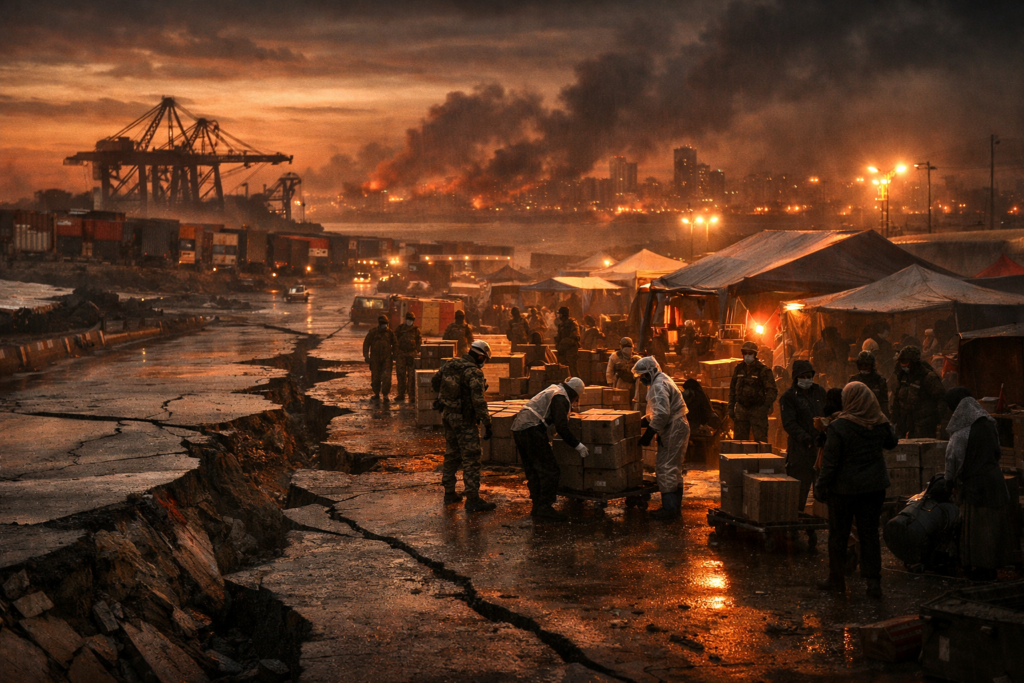
Humanitarian and public-health systems are under immediate strain where security prevents response. “Rebel attacks in eastern DRC kill 30 people and hamper Ebola response” demonstrates how localized violence can rapidly degrade outbreak control; if armed interference continues, expect expanded transmission risk, longer containment timelines, and a higher need for cross-border health coordination. Natural hazards compound the stress: the “Powerful earthquake hits Philippines, killing at least 15” will create short-to-mid term infrastructure damage (roads, ports, hospitals) and higher logistic demands for relief, while extreme heat described in “Searching for Shade When It’s 125 Degrees” increases morbidity and reduces workforce productivity in transport and aid sectors — prolonging recovery and straining energy systems.
On the technology and governance front, warnings such as “Anthropic: AI could escape human control” are likely to accelerate regulatory attention and could trigger abrupt policy or procurement changes over the coming months. Combined with rising consumer pressure evidenced by workforce stress in collection industries (“How People Working in Debt Collection Handle Abuse From Callers”), governments and firms may hasten regulatory interventions or shifts in spending priorities, creating short-term market volatility for technology and financial services providers.
Operationally, expect episodic disruptions rather than a single systemic collapse: interrupted relief flows in Africa, localized port and road congestion in the Philippines, and short-term spikes in energy and insurance costs tied to Middle East tensions. Humanitarian organizations, logistics firms, and regional security partners should prepare contingency supply routes, surge health capacity in eastern DRC and neighbouring states, and scenario-plan for regulatory moves on AI and debt-collection practices. If multiple stressors peak concurrently, localized humanitarian caseloads could rise and commercial disruptions could cascade across regional supply chains.
Key Factors Driving This Prophecy
Source Headlines Analyzed
Risk Categories
Confidence is moderate-high because multiple independently reported crises point to interacting vulnerabilities: a sustained Iran stalemate, election-driven realignment in Armenia, disrupted Ebola response in eastern DRC, a damaging Philippine earthquake, extreme heat stress, and prominent AI governance warnings. Source corroboration is strongest for geopolitical and environmental signals; smaller-source clusters (disease interference, AI warnings) reduce overall certainty, so projections are conditional and scenario-based.
Regions Most At Risk
Pattern-based speculative forecast, not certainty.