STRAIT PRESSURE; GRID AND FUEL FALLOUT
Tension around the Strait of Hormuz could spark a short, sharp cycle of maritime incidents and energy-market volatility while concurrent infrastructure failures and disaster response stress in the Caribbean and South America amplify humanitarian and supply-chain strain. If current trends continue, expect localized escalation and measurable disruption to fuel and electricity flows within the coming week.
The Prophecy
Tension around the Strait of Hormuz could spark a short, sharp cycle of maritime incidents and energy-market volatility while concurrent infrastructure failures and disaster response stress in the Caribbean and South America amplify humanitarian and supply-chain strain. If current trends continue, expect localized escalation and measurable disruption to fuel and electricity flows within the coming week.
Over the next 3-7 days, the region around the Strait of Hormuz may see episodic, escalatory activity that could disrupt tanker traffic and raise spot freight and oil premiums. Iran’s public accusation that the United States violated a peace agreement after strikes near the strait, coupled with heightened reporting on naval and missile activity, creates a window in which miscalculation or a targeted strike on commercial shipping could temporarily halt transits or trigger insurance and diversion costs.
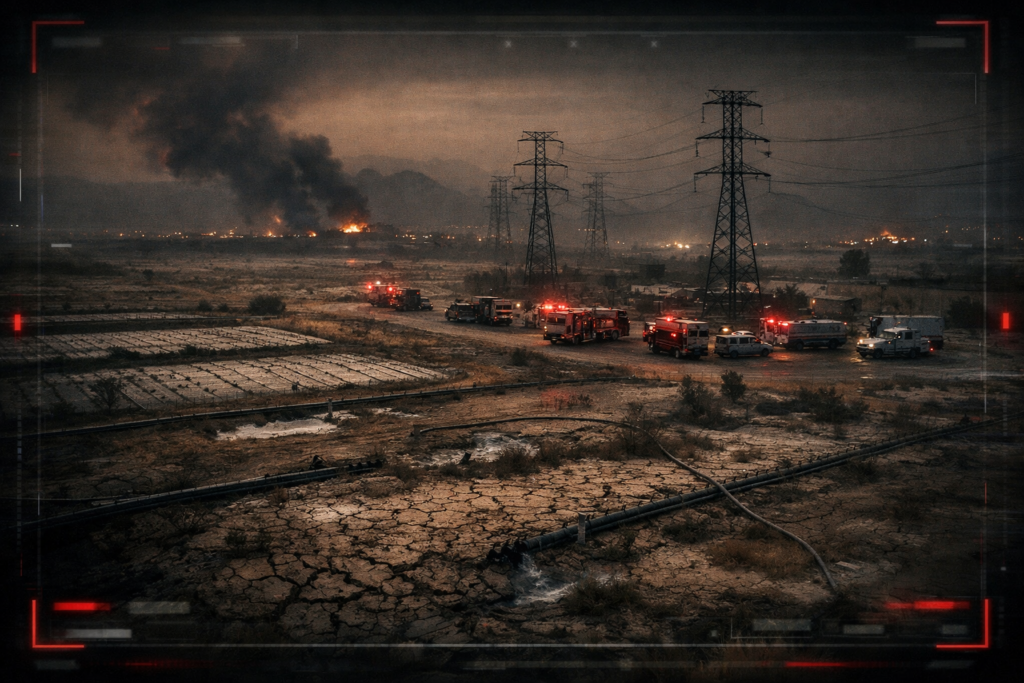
Simultaneously, energy infrastructure stress is already visible in the Americas: Cuba’s third nationwide blackout in six months signals a fragile grid that could produce unrest and interrupt regional logistics, while Venezuela’s deteriorating earthquake response—where authorities now expect the body count to grow—will further strain emergency fuel and medical supply movements. These humanitarian pressures may force rerouting of scarce transport assets and increase near-term demand for diesel and aviation fuel for relief operations, feeding back into market tightness exacerbated by Russian fuel shortages and the political calculus around the Ukraine war.
Compounding the volatility, tests and demonstrations of missile capability in the Asia-Pacific raise the risk of accidental damage to commercial or military assets if testing parameters are misinterpreted; the Australian prime minister’s warning that a Chinese missile test ‘could have caused considerable damage’ underscores the fragile margin between routine testing and collateral incidents. Meanwhile, hotter-than-normal weather will increase electricity and health-system loads (‘What does hot weather do to the body?’) and could amplify blackout impacts in heat-exposed populations, worsening humanitarian outcomes in Cuba and Venezuela.
Operationally, expect: short-lived spikes in regional bunker and freight rates; temporary port congestion or diversion in the Gulf and Caribbean; accelerated emergency fuel dispatches into Venezuela and neighboring islands; and increased diplomatic messaging and naval deployments as states hedge exposure. These effects are likely to be uneven and episodic rather than sustained, but they could produce cascading supply-chain frictions and acute local humanitarian crises if not managed in the coming week.
Key Factors Driving This Prophecy
Source Headlines Analyzed
Risk Categories
High corroboration for geopolitical strain around the Strait of Hormuz and parallel reporting of fuel and grid stress give a coherent near-term pathway for disruption; confidence is moderated because precise escalation timing and scale remain uncertain and dependent on discrete actions by state and non-state actors.
Regions Most At Risk
Pattern-based speculative forecast, not certainty.